I’m sure somebody who is an expert in human psychology could shed more light than I, but there’s something about fluffy objects that brings us joy and comfort. Cute dogs and cats, baby ducks, snugly blankets. We just can’t resist the fluff, its part of who we are. Except for the fluff on peaches… that’s gross. Nectarines are just better.

Yet fluff is also a visible sign of superfluity – fluff is a disorganised, chaotic, mass of extra material that seemly isn’t essential to the function of the object to which it attaches. So its easy to think of fluff as something we need to cut through for efficiency’s sake. Indeed, it was with this lens a couple of years ago, that I found myself booking a long overdue planning meeting for my new team. Knowing that as a remote team there would be some delay in getting everyone into the Teams call and settled down, I flippantly added this time to the agenda for the first five minutes as “obligatory fluff”.
To my surprise, not only was this block of time where the team were given permission to chat crap about any topic they wanted very successful, but the phrase stuck. It quickly became a trademark of my team and entered into our way of working.
We even had memes we’d share in meetings when we had run too far off topic and the meeting had become “too fluffy”. We loved the idea of fluff so much that it became a part of everything we did – fluff at the beginning of calls to get settled. Fluff at the end as a reward for finishing early. Fluff in the middle of the meetings when we got distracted and started talking about random things.
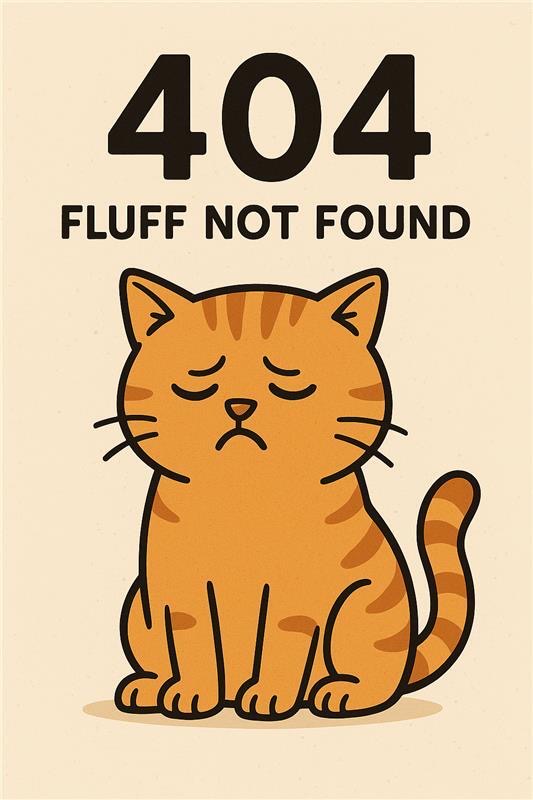

Maybe it seems here that we were losing sight of what we should have been doing, but it was the opposite. By having permission and time to be fluffy, it was easier to call the event to order and focus on the important core of the meeting. Its about balance.
Fluff – far from being an extraneous thing to be cut back, simplified, made more efficient – became the warm, cosy embrace that tied us all together as humans, collaborating on a shared project, rather than drones clicking though one Jira ticket after the next.
The team bonded really quickly after that. They saw each other as humans with more depth than just being a “backend engineer” or “that guy who fixed the bug nobody else could figure out”. They started to care about each other, and as a result worked stronger as a team. They would help each other because they wanted to, not because that’s what it said they should do in the career matrix for the promotion they were hoping for.
Look, I’m not saying you need (or necessarily should) be friends with your colleagues – boundaries are an important part of maintaining a strong work / life balance, and leaving your colleagues at work can be part of that. I’m certainly not suggesting you describe yourself as “one happy family”, but there’s no reason you can’t have work friends. In fact I (personally) think you really should.
Would you invite them to your birthday? Probably not. Should you huddle in the kitchen together and vent about management? Hell yeah! Should you tell them about your relationship issues? Definitely not! But sharing your passion for hobbies with them, why not? We’re not just cogs in a corporate machine – we’re complex, messy, multi-dimensional humans, with squishy, complex human lives. And its okay to be yourself. Just remember to keep your fluff safe for work, “off topic” does not give you permission to make people uncomfortable. Know your audience, folks.
From my first flippant mention of “fluff”, I never intended it to become one of the core tenets of my management style. But I’ve seen its power, and when I moved on to a new company and a new team, I decided to take it with me. To make fluff a word, and a way of thinking for that team too.
So, maybe next time you’re having a dead serious meeting, about important things. Take a look around you, look at each member of your team in the eyes, and ask yourself – is this person a cog in my machine, or are they a human? Could they benefit from and contribute to fluff? I bet they could.
Give it a try. Bring some fluff to your meetings and see what happens.


 Andy Bradford